Day: March 24, 2026
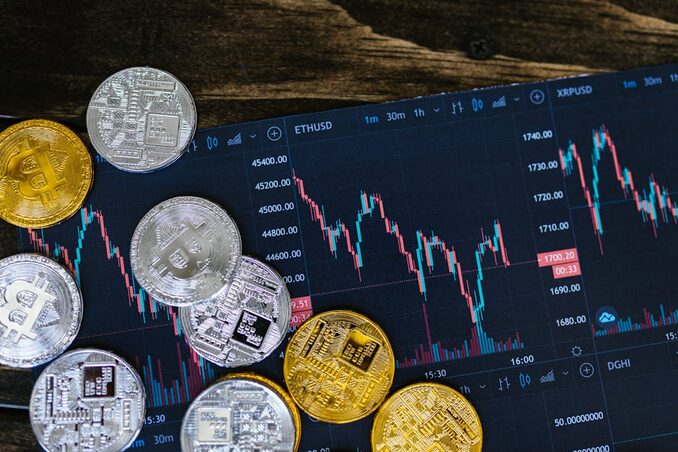
World War III: Are Your Portfolio Ready?
Major global conflicts reshape economies quickly. Markets react to uncertainty faster than most investors expect. When geopolitical tension rises, financial stability can feel fragile. Many investors assume their current strategy will survive any situation. History tells a different story. Wars often trigger inflation, market volatility, and sudden policy changes. Preparing a portfolio for extreme events does not mean predicting the future. It simply means building financial resilience. A calm strategy today can reduce panic tomorrow. So here’s how you need to get your portfolio ready for World War 3.
Diversification Becomes a Survival Tool
One asset class rarely performs well during every crisis. Concentrating investments in one sector can create serious vulnerability. Diversification spreads risk across different categories. Stocks, commodities, bonds, and cash each react differently during global stress. During conflict periods, certain industries struggle while others benefit. Defense contractors, energy companies, and commodity producers sometimes rise during geopolitical tension. Diversification prevents a portfolio from sinking with a single market shift. Many experienced investors treat diversification like a safety net. It does not remove risk, but it softens the impact of economic shocks.
Hard Assets Gain Attention During Uncertainty
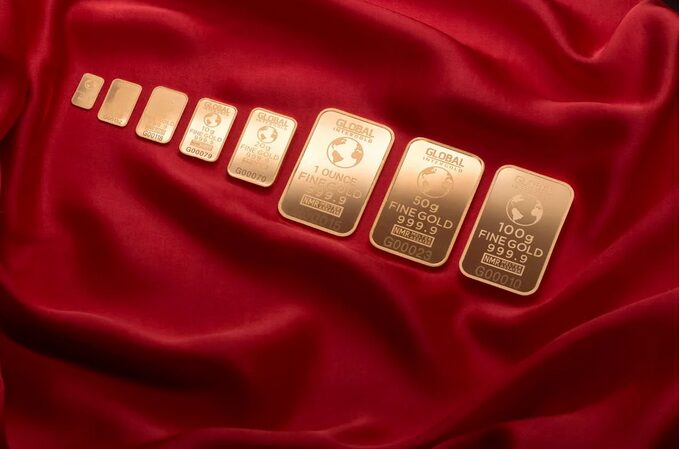
Physical assets often attract investors during unstable periods. Gold has historically served as a store of value when currencies fluctuate. Precious metals do not rely on corporate earnings or government policy. Their value tends to move independently from traditional markets. Some investors also consider commodities such as oil or agricultural resources. These goods remain essential even during global conflict. Hard assets act as a hedge against inflation and currency instability. Holding a modest portion of these assets can add balance to a portfolio. It creates another layer of protection during turbulent periods.
Emergency Liquidity Matters More Than Ever
Market downturns often create unexpected financial pressure. Job disruptions, supply shortages, or banking stress can affect everyday life. Cash reserves provide flexibility when markets become unpredictable. Liquid funds allow investors to cover expenses without selling assets at a loss. Financial planners commonly recommend several months of living expenses in accessible accounts. During extreme scenarios, this buffer becomes even more valuable. Liquidity also creates opportunity. When markets fall sharply, investors with available cash can purchase assets at lower prices. In volatile times, cash behaves like oxygen. You may not notice it during calm periods, but its absence becomes obvious during a crisis.
Global Exposure Can Reduce Regional Risk
Investing heavily in one country ties a portfolio to that nation’s economic health. War or political tension can damage local markets quickly. International diversification spreads risk across multiple economies. If one region struggles, others may remain stable. Global index funds and multinational companies provide broad exposure. These investments capture growth from different parts of the world. No economy operates completely isolated anymore. Financial markets are interconnected, yet diversification still helps soften regional shocks. Spreading investments across several markets reduces the danger of relying on a single economic system.
Emotional Discipline Protects Long-Term Wealth
The greatest threat during a crisis often comes from panic decisions. Fear pushes investors to sell assets at the worst possible moment. Markets frequently recover after severe downturns. Investors who remain patient tend to recover faster. Maintaining a clear plan prevents emotional reactions. A structured allocation provides direction during uncertainty. Financial resilience grows from preparation and discipline. The goal is not to predict every global event. The goal is to build a portfolio strong enough to survive whatever arrives next.…